
One common issue couples face isn’t dramatic conflict or falling out of love, but the slow disappearance of physical touch. Over 9 years of creating relationship games for couples, we’ve seen this pattern again and again: partners who care deeply, but hugs become rare, playful touches vanish, and intimacy turns to scheduled or avoided moments.
The good news is that this problem is rarely about attraction or love fading. More often, it’s about life getting in the way. Reintroducing touch doesn’t require grand gestures; it often starts with simple, guided moments that make physical closeness feel natural again.
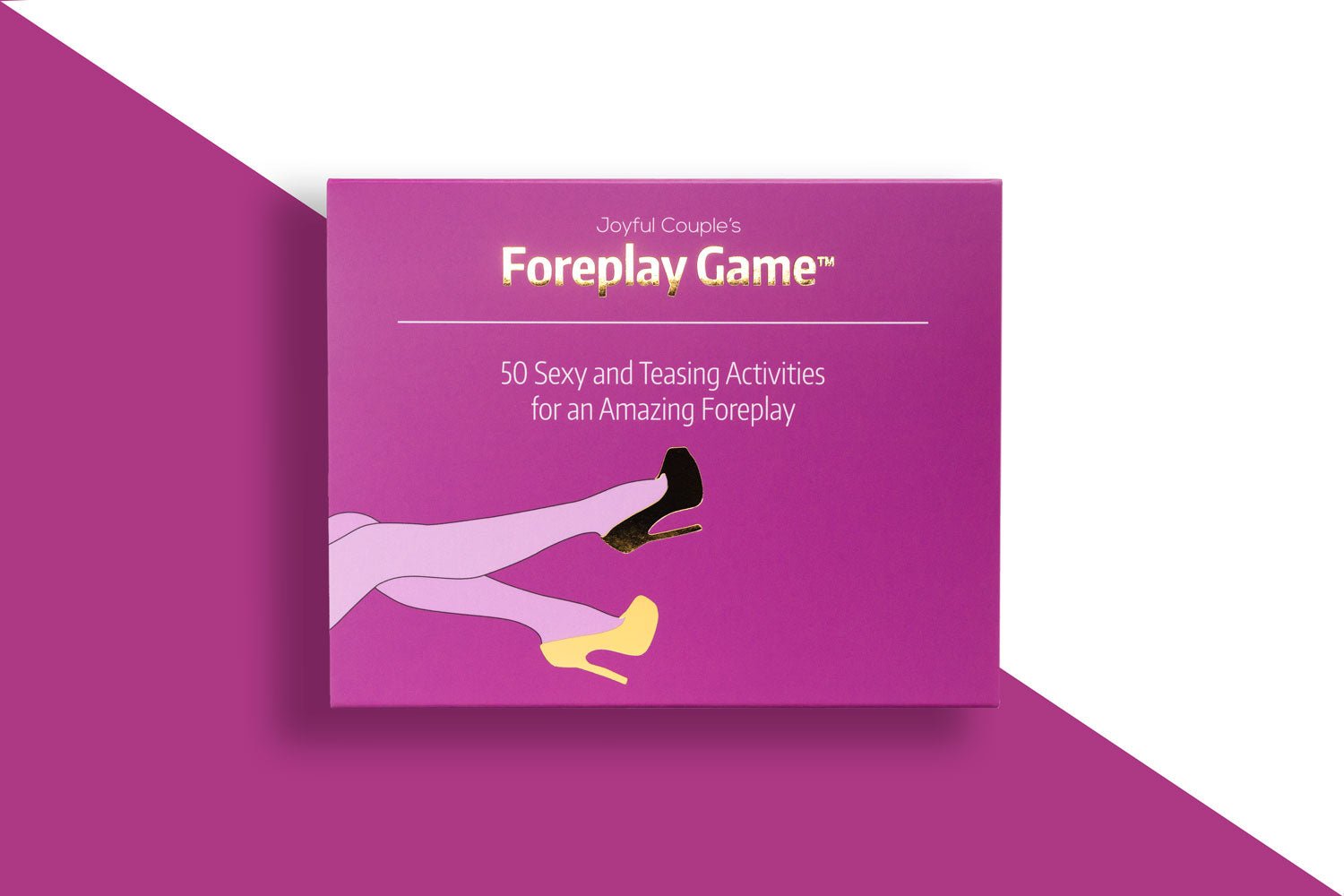
That’s exactly why Joyful Couple created the Foreplay Game - a playful way for couples to rediscover touch, warmth, and physical connection without awkwardness or pressure. The game offers cards with easy-to-follow prompts and fun activities that help partners comfortably reconnect through touch, making it easier to rebuild intimacy and strengthen your bond.

Why Lack of Touch Happens Even in Happy Relationships
Most couples don’t consciously decide to stop touching each other. It usually happens gradually.
When relationships are new, touch is constant. A hand on the back while walking past. Sitting closer than necessary on the couch. Playful teasing, lingering hugs, spontaneous kisses. These small gestures create a steady current of closeness that strengthens both emotional and physical intimacy.
Then life gets busy. Priorities shift. Suddenly, time together slips away.
Work becomes demanding. Children arrive. Schedules no longer align, and phones steal attention in the evening. What once felt natural now feels like something that requires effort.
Over time, many couples settle into a routine where they still care deeply for each other, but physical affection becomes rare, limited to occasional intimacy. The relationship remains loving, yet something quietly fades.
The Hidden Cost of Losing Physical Touch
Touch is not simply a romantic gesture - it’s a basic psychological need!
Human brains are wired to respond to physical contact. Even small moments of touch release oxytocin, often called the “bonding hormone,” which promotes feelings of trust, closeness, and emotional safety. That’s why a simple hug after a stressful day can feel so comforting.
When couples stop touching regularly, something subtle happens. Emotional connection often begins to weaken as well. Conversations become more practical and less affectionate. Partners may start to feel slightly distant, even though nothing “bad” has actually happened.
Many couples interpret this distance as a fading of passion. In reality, it’s often just a lack of regular physical connection.
Why Couples Struggle to Fix It
Most people recognize when touch has disappeared, but they don’t know how to bring it back.
Common advice sounds simple: “Just hug more.” “Plan date nights.” “Be more affectionate.”
In real relationships, however, these suggestions rarely work on their own. Yes, even we, in our relationship, have had this issue! So, things aren’t that simple.
When couples fall out of the habit of touching, initiating it can feel awkward. One partner might worry about rejection. The other might feel pressure to respond in a certain way. Sometimes, both partners want more closeness but hesitate to make the first move.
This is where structure can make a surprising difference.
A Simple Way to Reintroduce Touch Without Awkwardness
Over the years, developing games for couples, we noticed something interesting: people often find it easier to reconnect through play than through serious conversations about intimacy.
That insight led us to create the Foreplay Game.
Instead of leaving physical connection to chance, the game introduces playful prompts and challenges that help partners discover exactly how to touch, tease, and explore each other again. The Foreplay Game reduces pressure by providing step-by-step direction, encourages consensual exploration, and builds affectionate habits in a lighthearted way.
For many couples, this playful structure lowers anxiety, boosts confidence in initiating touch, and helps both partners learn and practice new ways to express physical affection, so that reconnecting becomes enjoyable rather than intimidating.
What This Looks Like in Real Life
Couples often tell us:
The biggest shift isn’t dramatic - it’s the return of small moments of closeness.
So, a card might encourage a lingering kiss, a playful touch, or a short sensory challenge. These moments require partners to focus entirely on each other. Simple as they seem, they bring attention back to something many relationships quietly lose: intentional physical connection.
What starts as a game often leads to something deeper. Laughter returns. Curiosity returns. And most importantly, touch becomes natural again.
Many couples are surprised by how quickly these small interactions change their energy.
Why Rebuilding Touch Strengthens the Entire Relationship
Physical intimacy and emotional intimacy are deeply connected.
When couples touch more often, even in small ways, they tend to feel more relaxed around each other. Conversations flow more easily. Stress levels drop. Partners feel reassured that they are wanted and appreciated.
In other words, touch doesn’t just improve intimacy - it strengthens the entire relationship dynamic.
That’s why couples who intentionally nurture physical closeness often report feeling more connected overall, even outside the bedroom.

Bringing Touch Back Into Your Relationship
If physical affection has slowly faded in your relationship, it doesn’t mean anything is wrong. It usually just means life has been busy.
The important thing is recognizing the pattern and creating opportunities to reconnect.
Sometimes that can start with something as simple as a hug that lasts a few seconds longer. Other times, couples benefit from a little playful structure that helps them rediscover what they used to do naturally.
The Foreplay Game was designed for exactly that—to help couples warm up emotionally and physically, rekindle curiosity, overcome the awkwardness of starting, and develop lasting habits of physical closeness that revitalize their relationship.
Because when touch returns, everything else in the relationship tends to follow.